|
Untitled Document
Untitled Document
|
| |
|
|
|
 HOME
>읽기 능력 HOME
>읽기 능력 |
|
|
|
|

|
| |
|

|
| |
|

|
|

|
|

|
|

|
|

|
|
|
| |
|

|
|

|
|

|
| |
|

|
| |
| |
|

|
| |
|

|
|

|
|

|
|
|
|
|
| |
|

|
|
|
|

|
|
|
|

|
|

|
|

|
|

|
- Digital technology(디지털 기술)과 연관되는 내용을 추정해 보겠습니다.
- 예전의 LP판, CD, 많은양의 데이터가 한장의 CD로, 디지털 카메라, E-BOOK, 생활방식의 변화,
- 마이크로칩, E-MAIL, 핸드폰, 컴퓨터
-
- 그리고 다음 글을 마우스로 드래그한후 읽어 보시기 바랍니다.
-
- Digital technology brought about the digital revolution which has changed our way of life. LPs,
- or long-playing records, are rarely used any more. People love listening to CDs, or compact discs,
- instead of cassette tapes. Hundreds of thousands of pages can be stored on a single CD or in a
- microchip. More and more dictionaries are published on CDs instead of paper. Digital video cameras
- and e-books, or electronic books, are already on the market. Today, a lot of people have their own
- e-mail addresses and cellphones. Thanks to the digital revolution, people can now talk to computers
- in human languages.
-
- 어떻습니까? 주제어가 무엇이고, 이 주제어속에는 어떤 내용들이 있을까?"라고 고민하는 순간
- 책내용의 반은 이해하게 됩니다.
|
|

|
| |
|

|
| |
|
|
|
|
|

|
|

|
|

|
|

|
|

|
|

|
| |
|
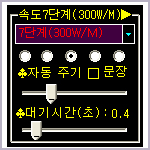 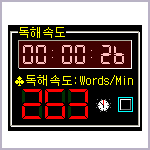 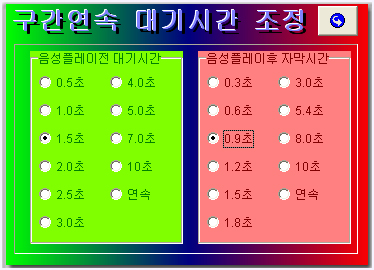
[자동 속도 지정/페이싱 훈련] [실시간 속도측정] [순차훈련 : 영문 -> 1.5초후 -> 음성 -> 0.9초후 -> 한글]
|
|

|
| |
|
 
|
|
 
|
|
 
|
| |
| |
|